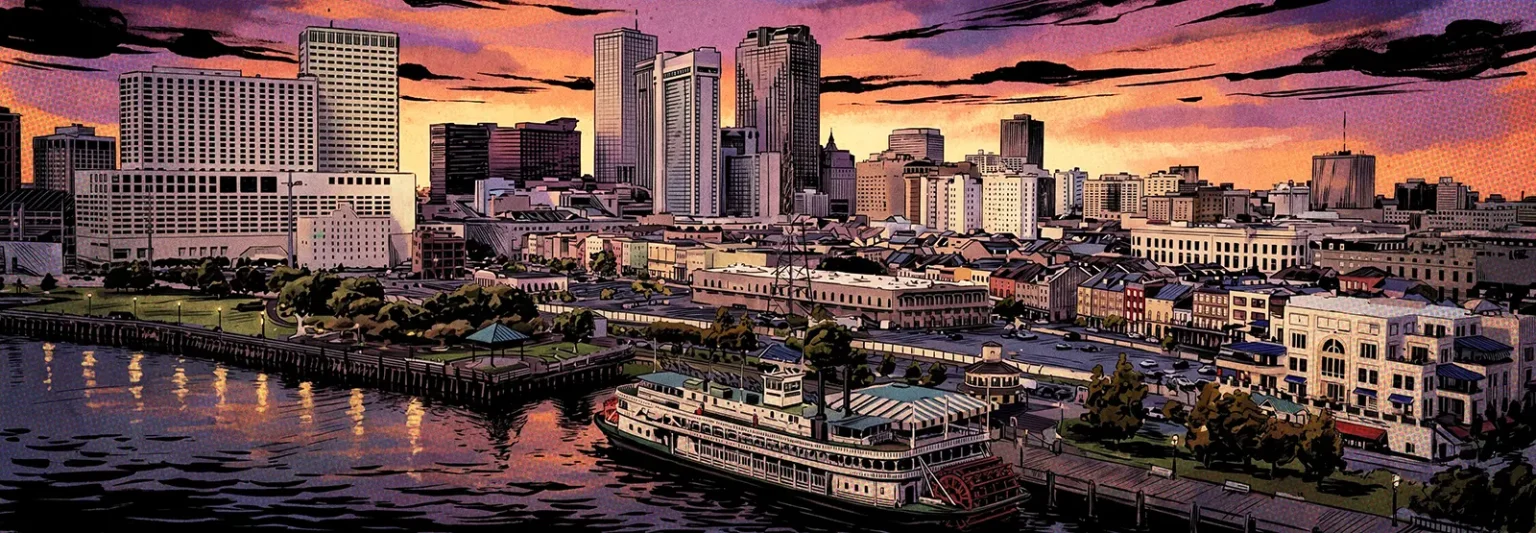
That identity naturally fits superhero storytelling. Comic books work best when the setting itself feels alive, and very few real world cities feel more alive than New Orleans. Gotham City may have the darkness, Metropolis may have the scale, and New York may have the energy, but New Orleans has personality. The city feels unpredictable. Beautiful one second and dangerous the next. It carries celebration and tragedy at the same time. That emotional contrast is exactly what gives great superhero stories their weight.
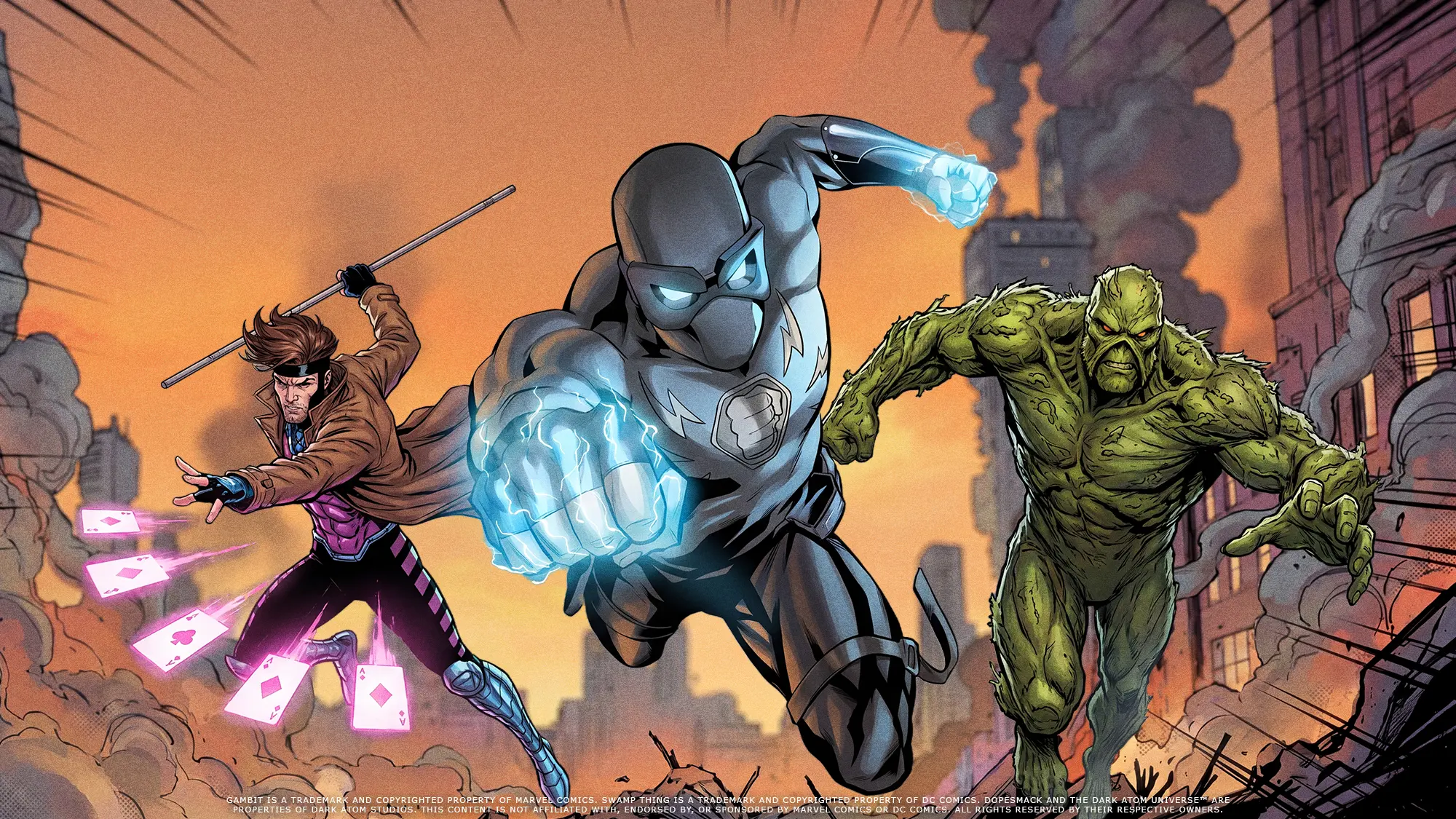
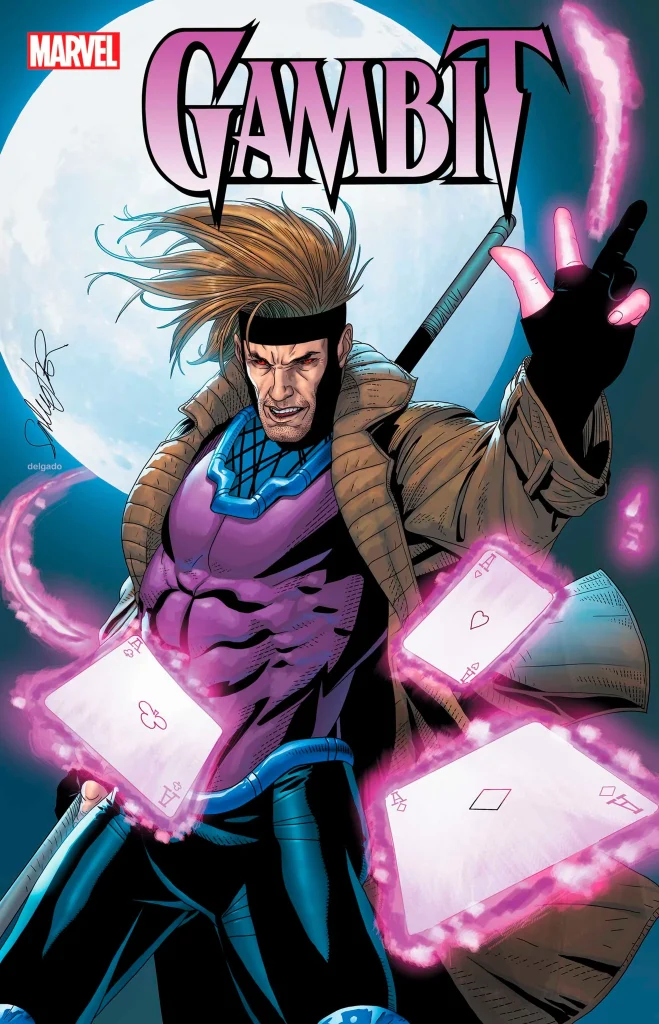
It’s not surprising that some of the most memorable comic characters connected to Louisiana ended up becoming fan favorites. Gambit is probably the clearest example of this. When Marvel introduced him, he immediately stood apart from a lot of other X Men characters because he didn’t feel polished or overly heroic. He had swagger, attitude, and a criminal edge to him that fit New Orleans perfectly. The trench coat, the accent, the smooth talking confidence, and the connection to underground guilds made him feel like somebody who actually belonged to the city instead of simply existing there as a backdrop. Gambit wasn’t interesting because he was perfect. He was interesting because he felt dangerous and charismatic at the same time, which honestly captures a lot of the spirit people associate with New Orleans itself.
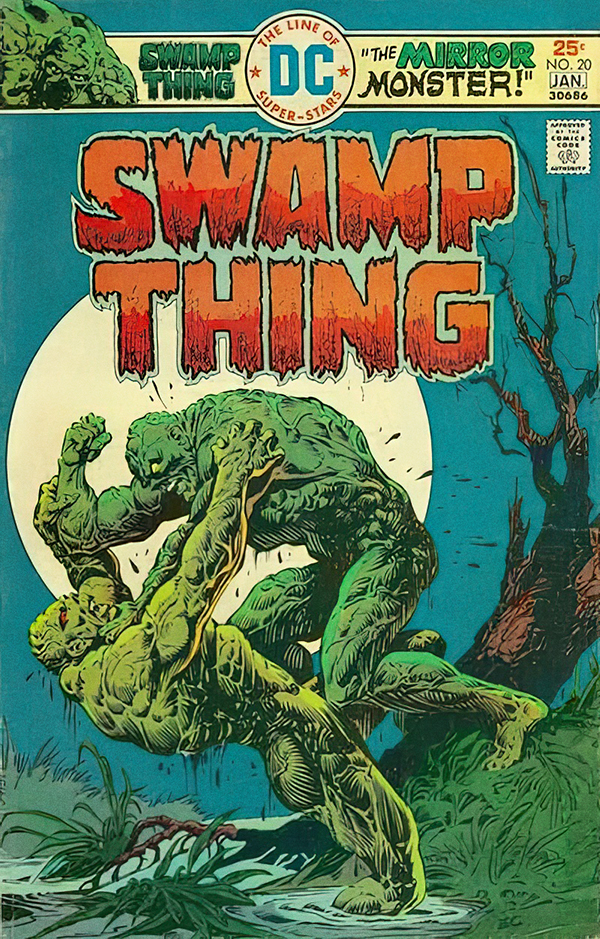
DC approached Louisiana from a completely different angle with Swamp Thing. Instead of leaning into the nightlife and street culture, Swamp Thing tapped into the darker Southern Gothic side of Louisiana mythology. Those stories made the swamps feel ancient and almost supernatural. The humid atmosphere, the isolation, the feeling that something could be hiding beneath the water or behind the trees gave Louisiana a mythological quality that comic books had rarely explored before. Even people who have never read a Swamp Thing comic understand the imagery immediately because Louisiana already carries that haunted visual identity in popular culture.
What’s interesting is that both Marvel and DC continue returning to New Orleans over and over again because the city offers something most superhero settings don’t. It already feels exaggerated in real life. Writers barely have to invent atmosphere here because the city already has it built in. The history alone gives creators endless material to pull from. New Orleans has survived hurricanes, political corruption, violence, celebration, cultural revolutions, and decades of storytelling passed down through music, food, religion, and local legends. There’s already mythology embedded into the city itself, which is probably why superhero stories feel so natural there.
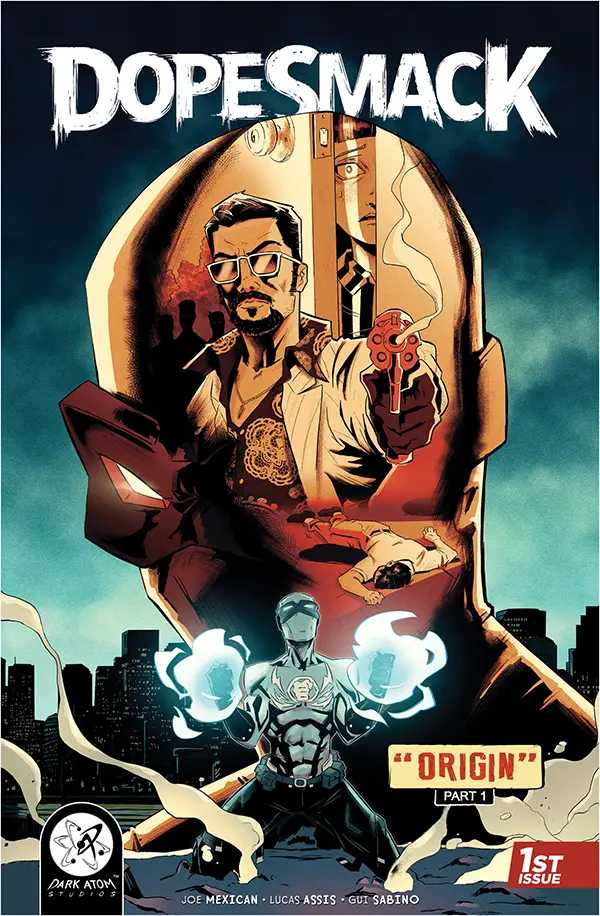
That authenticity is one of the reasons DopeSmack feels different from a lot of mainstream superhero stories connected to Louisiana. The character and world around him don’t feel like somebody simply borrowed New Orleans imagery to make something look cool. The tone feels local. The grit feels believable. The city feels lived in instead of romanticized. There’s an energy to the Dark Atom Universe™ that feels tied directly to Louisiana culture without constantly trying to announce it. That subtlety actually makes the world feel more real.
What makes New Orleans such a powerful setting for superheroes is that the city already contains everything great comic books need. It has larger than life personalities, corruption, music, violence, celebration, mystery, survival, and mythology all existing side by side. Every neighborhood feels like it could hide either a superhero or a villain. Every alleyway looks cinematic. Every storm feels apocalyptic. Even the people often carry themselves with a level of personality and individuality that already feels comic book inspired.
The truth is New Orleans never needed superheroes to become legendary. The city was already legendary long before comic books arrived. What creators are finally realizing now is that New Orleans might actually be one of the richest superhero settings in America because it already feels like its own universe.